Alicante – the capital of the eponymous province
The city on the Costa Blanca and the first thing you see after landing at ALC
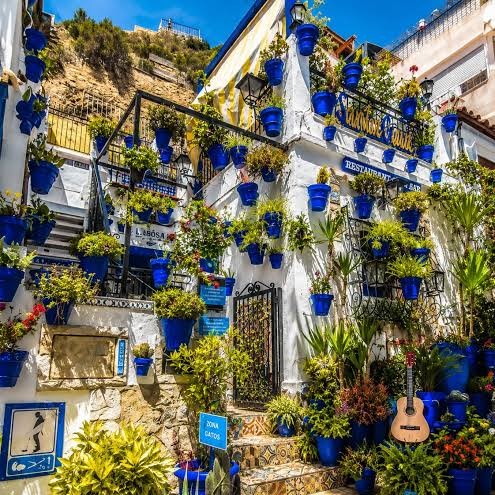
When looking Alicante up online, what inevitably pops up is the quartet of photos depicting the Santa Barbara castle, the blue plant pots of the old town, the Explanada promenade and the Mushroom Street. But what stands out to me to this day is that the name causes a lot of confusion. When people talk about coming to, living in or absolutely loving Alicante, they don’t often mean the same thing. And the reason is simple: Alicante is a city, which happens to be the capital of Alicante province, which includes the entirety of the famous Costa Blanca. The locals differentiate the two and often add the clarifying ciudad after saying Alicante. Just like NYC immediately lets you know it has to do with the city, not the state.
Things to see
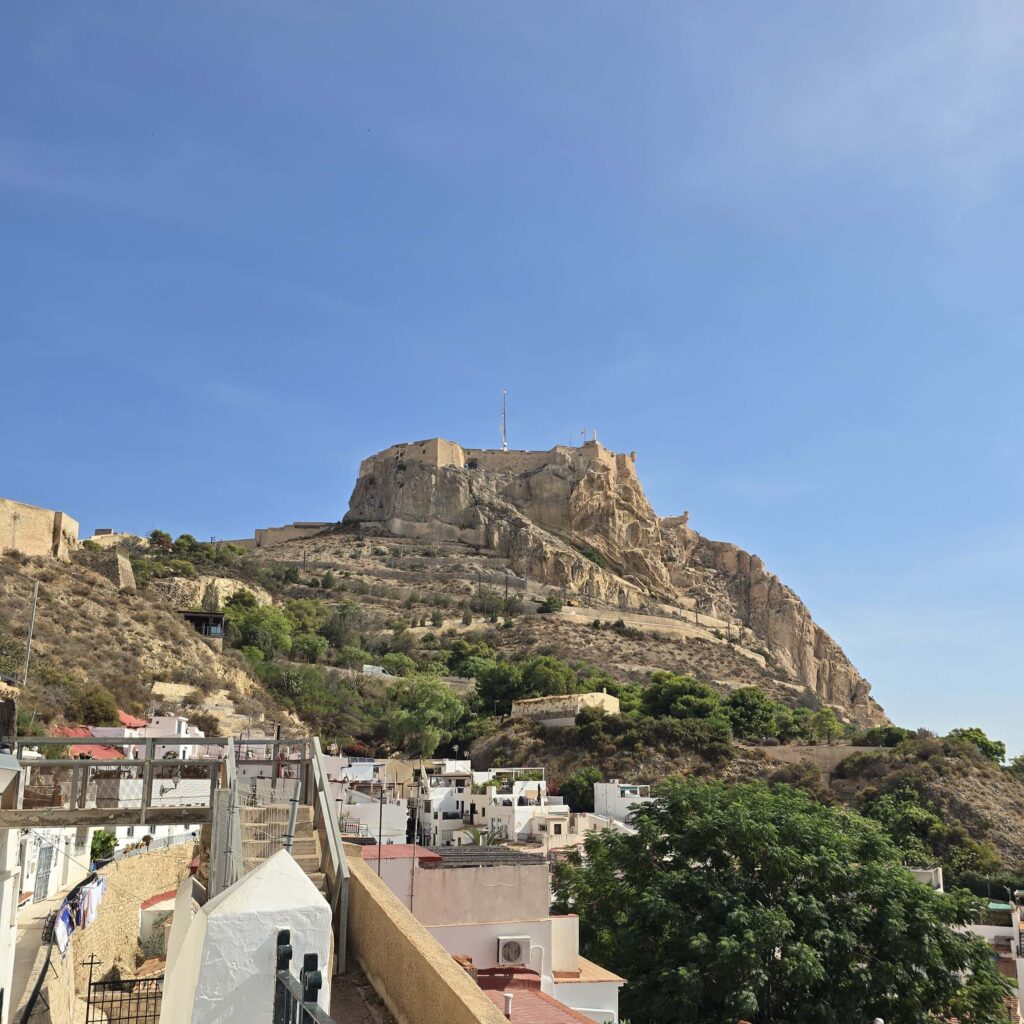
The Santa Bárbara Castle is probably Alicante’s most recognizable landmark. Its origins go back to the 9th century, when the area was under Muslim rule, although the fortress was expanded and modified over the centuries. Today, it offers some of the best panoramic views of Alicante, the marina, Postiguet Beach, and the surrounding coastline. You can reach it by elevator from near the beach, by car, or on foot through the old town. Even if you’re not particularly interested in military history, the views alone make the visit worthwhile.
Stretching along the slopes below the castle, Alicante’s old town, commonly known as El Barrio, is a maze of narrow streets, colorful facades, small squares, and traditional Spanish buildings. It is one of the most atmospheric parts of the city, particularly around the Cathedral of San Nicolás and the Basilica of Santa María. Some streets are steep, some are lined with flower-filled balconies, and others open onto little squares with outdoor cafés and restaurants. It’s a good place to wander without a particular destination in mind, discover a few hidden corners, and get a feel for Alicante’s older character.
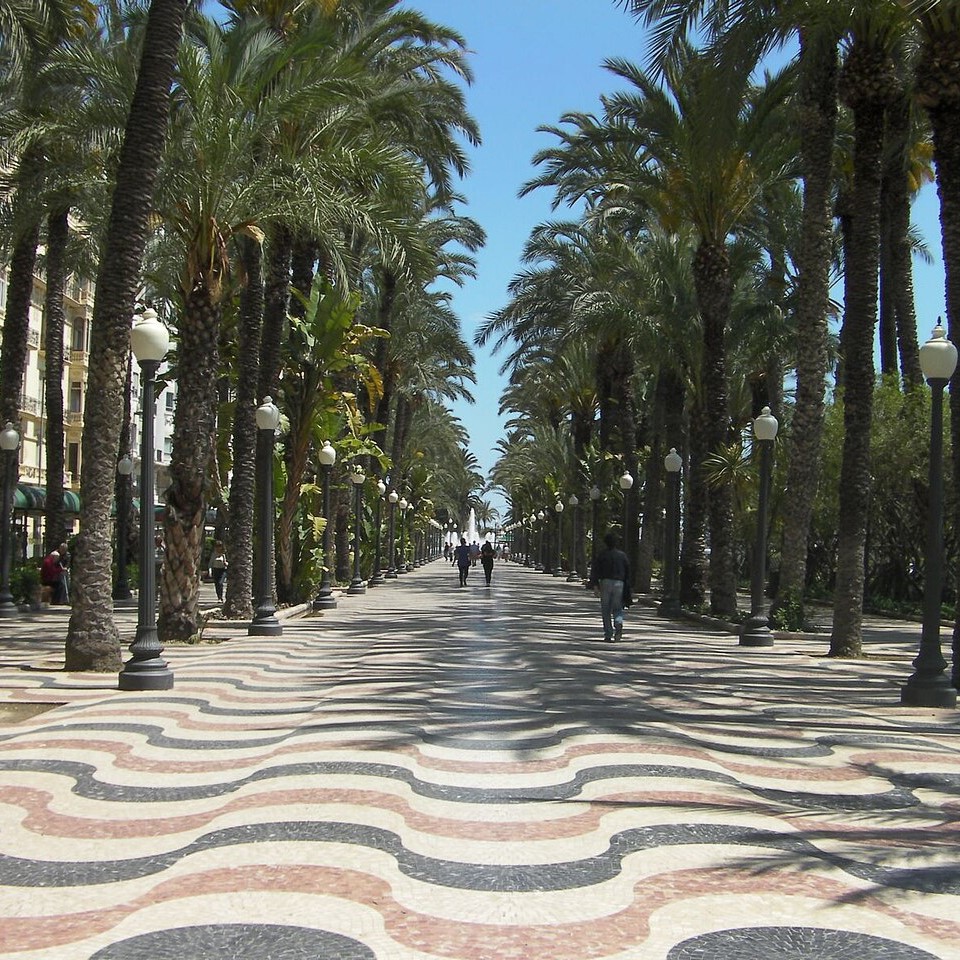
The Explanada de España is Alicante’s famous waterfront promenade, instantly recognizable by its distinctive wave-patterned pavement made from millions of small marble tiles in red, cream, and black. Lined with palm trees, it runs alongside the marina and is one of the city’s main gathering places. Street performers, small craft stalls, cafés, and plenty of people out for an evening walk give it a distinctly Mediterranean atmosphere. It’s particularly pleasant in the late afternoon or evening, when the heat subsides and the promenade comes alive.
One of Alicante’s more unusual attractions is Calle de las Setas, officially Calle San Francisco, but almost everyone knows it as Mushroom Street. A section of the street was transformed into a playful pedestrian area decorated with enormous, brightly colored mushroom sculptures, complete with little houses, snails, and other fantasy-inspired details. Originally designed with families and children in mind, it has become one of the city’s most photographed spots. It is not exactly a historical monument or a major architectural achievement, but it adds a bit of character and whimsy to the city and is worth a short detour, especially if you’re exploring the central streets nearby.
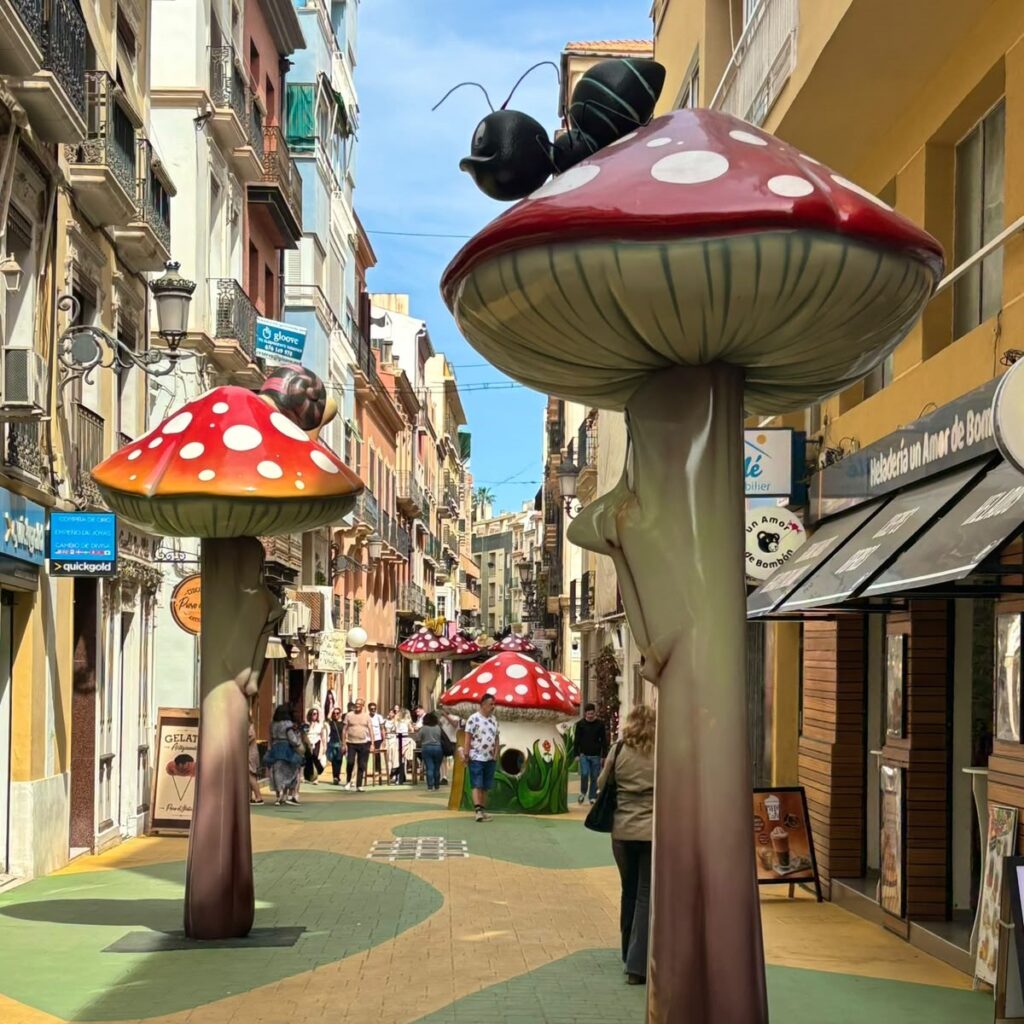
All four attractions are located in or around Alicante’s city center, within walking distance of one another. You can comfortably visit them all in a day or two, leaving plenty of time to enjoy the city’s restaurants, cafés, and waterfront.
Alicante is also a good place to go shopping. The main shopping area is Avenida Maisonnave, lined with stores such as Zara, Massimo Dutti, Adolfo Domínguez, Parfois, and many others. Two El Corte Inglés department stores anchor the avenue, one at each end. For those who prefer shopping malls, the city also has two major options: Plaza Mar 2 and Gran Vía.
Alicante is a good example of the diversity of Spain, showcasing how it works even in such a small city. Essentially, it consists of three distinct parts: the tourist city center, the wealthy suburban San Juan Playa, and… everything else – a normal, functioning city where people live and work.
Still, there is more than meets the eye, so for those who would like to get better acquainted with Alicante, or perhaps are considering making it their home, I’ve put together a short series that ventures beyond the usual tourist routes, which you can check out by clicking the links below.